
You can make something good
Farza Majeed on bringing your ideas to life
By Aadil Pickle
Apr 2026
PHOTOS BY SHARIF SHAMEEM

I was 18 when the pandemic started. Each day, I locked myself in my room playing League of Legends and reading about startups, occasionally coming out for meals and to take a piss. No one at my high school seemed to have ambitions beyond getting into a good university and securing a decent 9-5, so I alienated myself from them.
In March I made a Twitter account, hoping for a place to meet other people interested in tech and startups. That’s where I first learned of Farza.
He’s best known for starting Buildspace, an alternative school to help people make their dreams a reality. Anyone who’s passed through their program knows that’s not just a marketing line.
Someone joined with only $18,000 to their name. Another was driving Uber to support himself. Both of them met at Buildspace, decided to start a company together, and now have millions in revenue.
Two of my friends started dating during Buildspace and are now engaged. Someone posted their first video during the program and now has over half a million followers on Instagram. Software engineers discovered their passion for music and put out full albums. Accountants became industrial designers selling over $100,000 in novelty bookmarks. Event producers became hardware manufacturers. Everyone who was successful was celebrated, anyone who was down was supported, and there was no jealousy in sight.
Farza crafted a Mecca for makers where nothing felt impossible. We’d spend 12 hours a day in the office and none of it felt like work.
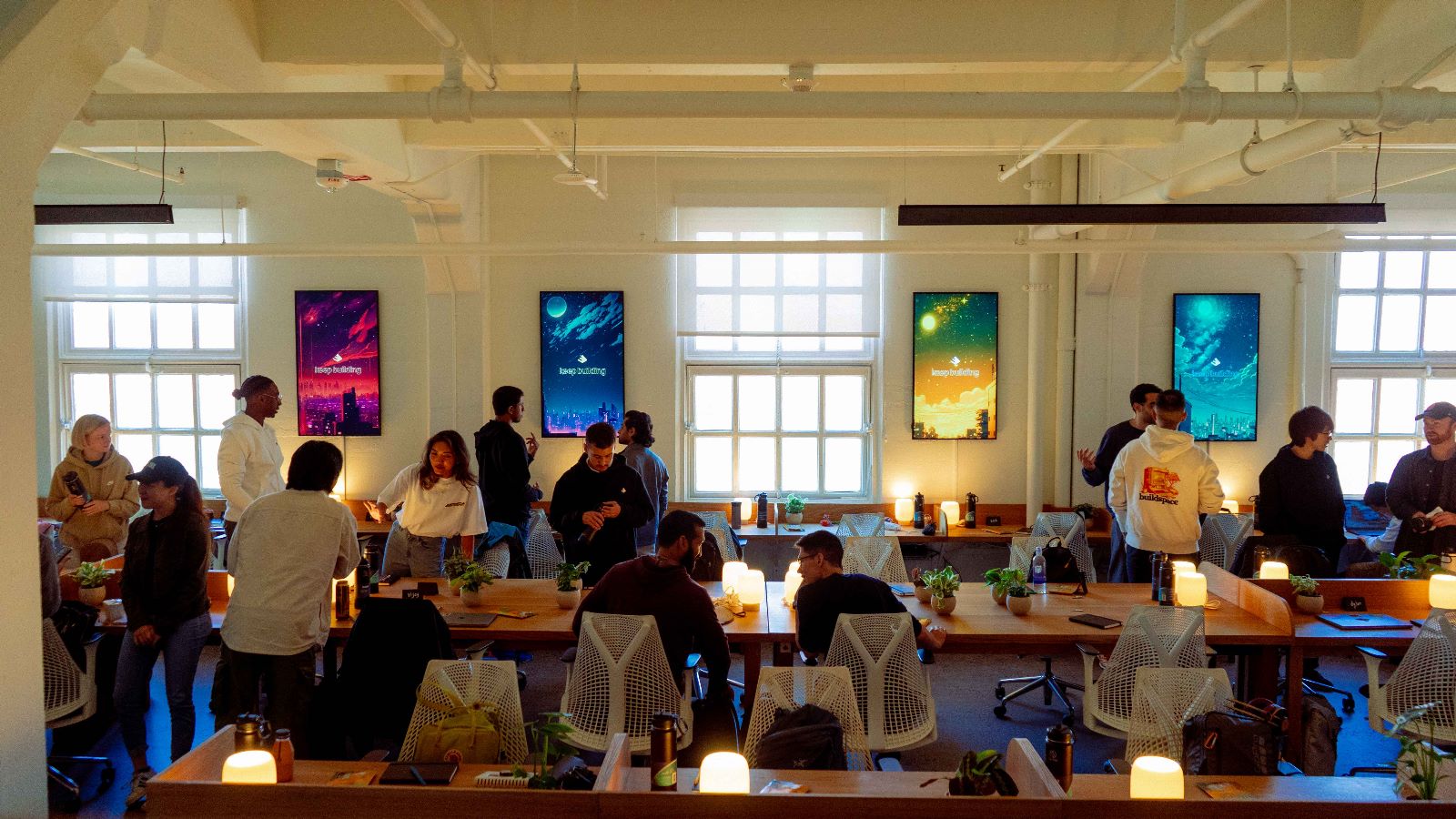
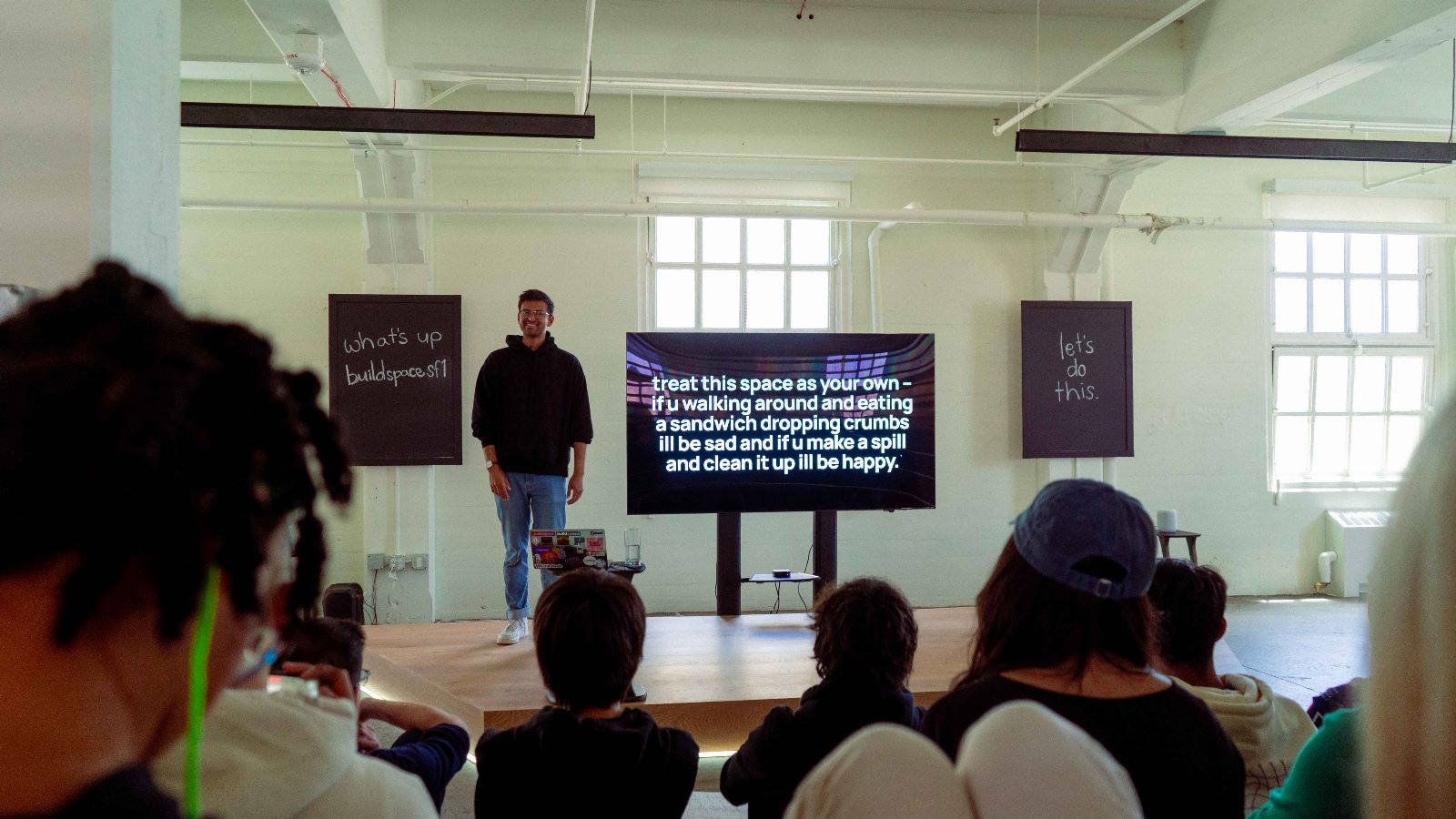
Buildspace shut down in 2024. They didn’t run out of money, nor did the market reject them. They had 100,000 people using an AI product they built and a fanbase so loyal that even today, I can’t hang out with him in public without someone coming up to us and asking, “yo, are you Farza from Buildspace?” Farza himself admitted that he decided to shut it down at its peak. He just didn’t want to work on it anymore.
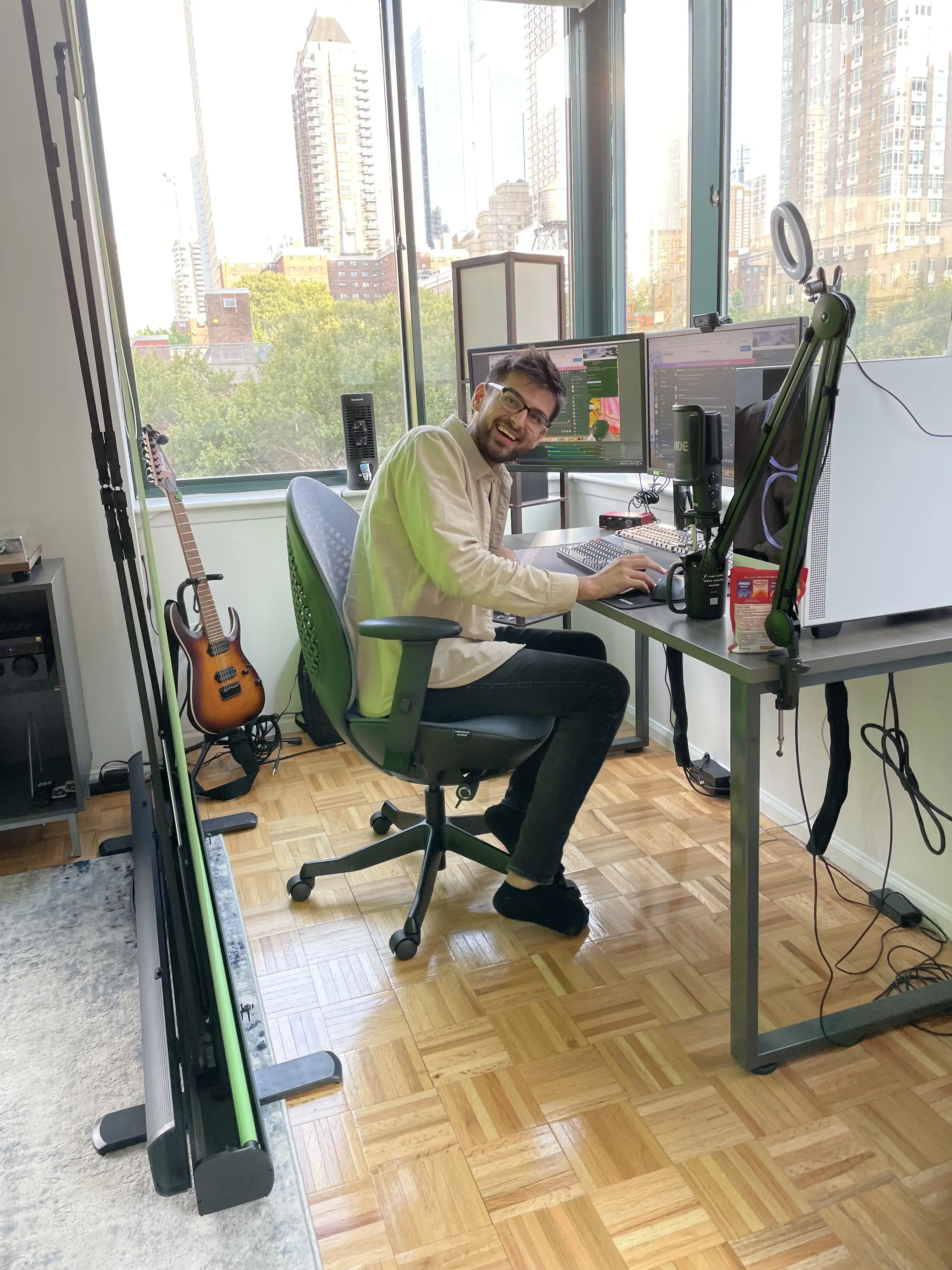
I spent a week watching him start a second company from scratch. He walks around a lot, stares out of the window, then doesn’t move from his desk for six hours straight trying to make a demo for an idea he came up with while walking. I got the feeling this must’ve been what it was like seeing Jobs in his garage while starting Apple.
I doubt his current project will turn into a company, but I’m sure he’ll uncover something interesting beneath it. I also get the sense he’ll be a billionaire someday, even though he doesn’t care about money at all. He just wants to make stuff until he’s old and gray, and help others do the same.
Subscribe to Alexandria
Get new posts delivered to your inbox.
Make what you like
At 13, Farza got a job offer to be a sign spinner at a gym. When he came home, his dad wouldn’t let him do it. “You could do so much more,” he told Farza.
So Farza took some clothes his dad was going to donate and started selling them on eBay. Eventually he monopolized the market for a very specific type of blank CD for people to burn movies and songs onto. Over the next four years, he grew that into a business bringing in over $100k/year in revenue.

He went to college as a filmmaking major since he spent most of his teen years making skits on YouTube. After realizing that they didn't get to make films until second year, he switched to computer science. He learned to code there, and made a website that gave you a playlist personalized to each character in League of Legends, the world’s most popular game back then. He posted about it on Reddit and woke up to over 10,000 users.
“It was so shitty that to keep it alive, I stayed up all night for a 48-hour Twitch stream. On the stream I put, ‘If you want this website to stay alive, please donate or I’ll shut it down.’ By the end of the stream I had $10,000 in donations.”
Throughout his early years, he just built things inspired by what he liked. He liked gaming, so he made a bunch more gaming projects. That led to him working for TSM, a major esports team, doing data analysis, and later Visor GG, making an AI Overwatch coach. He never applied for a job. People just found him after he posted about projects he made for fun.
“When I was doing Buildspace, pretty much every time we came up with something, it’d just start with ‘wouldn’t it be cool if...?’ Before Nights and Weekends, we made courses teaching people about AI and crypto. But we thought, ‘wouldn’t it be cool if people who started with a course could keep working on their ideas after the course is done?’ After seeing everyone in Nights and Weekends make stuff on Discord, we thought, ‘wouldn’t it be cool if they came to San Francisco and met each other?’ For the school, it was like, ‘wouldn’t it be cool if they worked on their ideas full time?’”
He recently posted a demo on Twitter for a little AI friend called Clicky. It follows your mouse cursor around, points at stuff and you can ask it to help you with whatever’s on screen. People loved it, it went viral, then he shipped another demo the same week for a site that stores all of his information in a way that makes it easy for AI to use called Farzapedia. People loved that one too and paid him thousands of dollars to try it, yet he’s shelved it for now because it's not interesting enough.
Creativity often feels like an abstract art. I hear people complain about not feeling inspired whenever they try to make something good. Like they’re waiting for lightning to strike but it’s just not hitting them. Farza’s somehow been able to come up with products and ideas that millions of people love, and watching him work, it feels anything but random. He’ll reference the moment in the Beatles documentary where Paul McCartney composes ‘Get Back’ in four minutes while waiting for John Lennon to come to the studio.
“People will look at that and say he had a sudden stroke of inspiration. But they won’t see the previous three months of him coming to the studio every day and coming up with nothing.”
Chase excellence, not money
For some reason, Farza seems allergic to charging his users. Before Buildspace, he ran a company called ZipSchool that offered a better way to homeschool your kids. It got really big within mommy Facebook groups, and one day he sent out an email asking users to pay $40/month to continue using their services. Hundreds of people paid.
Two days later, they got another email: Your Zipschool subscription has been refunded.
In it, Farza explained he was just gauging if people liked his product enough to pay for it, but he had no plans to charge them for the foreseeable future. He ran online classes for kids entirely for free. When he shut that down and pivoted into the first version of Buildspace, a not-boring course platform for AI and blockchain developers, he kept the courses free by getting companies to sponsor them.
After $2.5 million in revenue, he cancelled those sponsorship contracts and pivoted the company to focus on Nights and Weekends, a free online program to teach over 200,000 people how to bring their idea to life[1]. When they created Buildspace "school", they secured a contract with the Dubai government to build a campus there to attract tech talent. Once again, it was free for attendees since the government footed the bill.
When your target audience is kids in Nigeria recording songs in a sound booth made of a bedsheet and clothespins[2] trying to make it as a music artist, why siphon from people like them trying to create value?
“I think it’s ridiculous that everyone building AI software right now is catering to the same 500,000 people on tech Twitter. Like, I don’t care what some 20-something software engineer thinks of my product. What does the Nigerian woman think? What does a kid in Pakistan think? What does my mom think?”
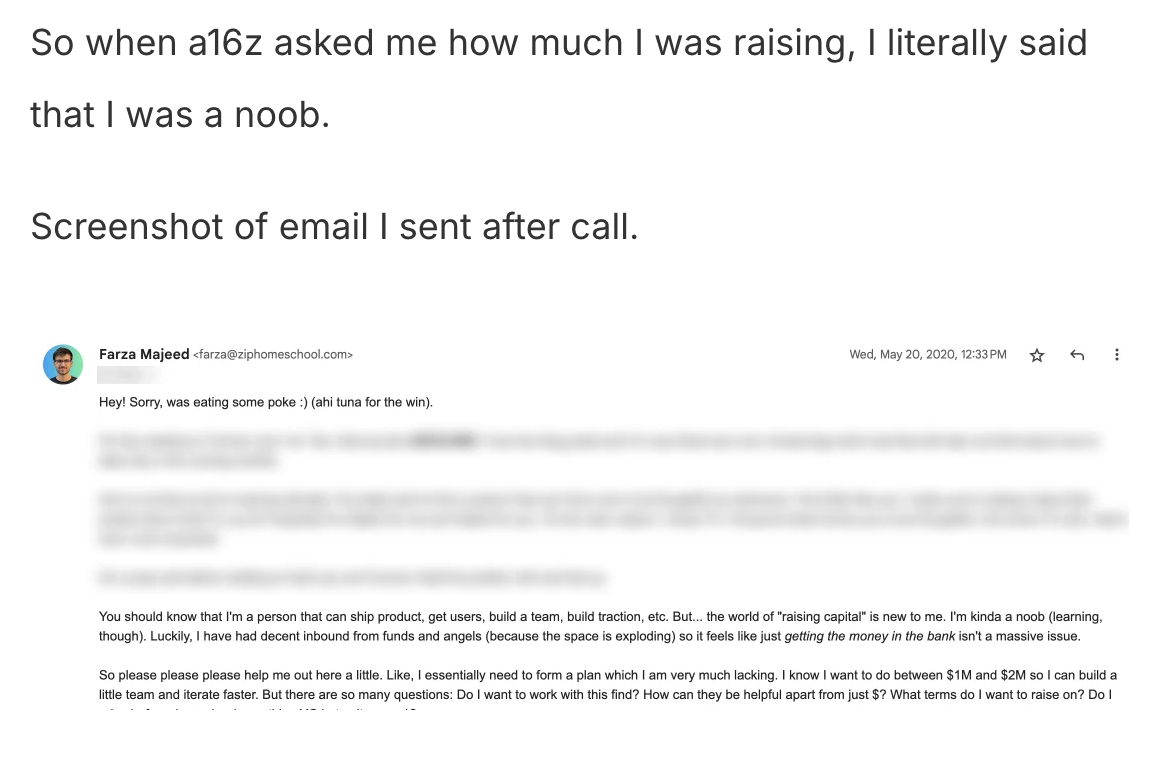
Even though he’s not focused on the money, somehow he gets funded immediately every time he starts something new. He raised two million dollars for Zipschool from a16z, a top venture capital fund, after calling himself a “noob” in the email. He ignored everyone’s advice and sent them weekly updates for three months instead of operating in secrecy and pitting investors against each other like people typically do when raising money.
Farza drives a type of FOMO that makes you feel like he’s going to be successful with or without you, so you might as well join him for the ride. He recently joined Y Combinator (YC), the best startup accelerator in the world, without an idea or even applying. He's gone through it before for Zipschool, and the partners have so much confidence he'll start a billion dollar company some day that they're willing to give him half a million dollars to figure it out under their umbrella.
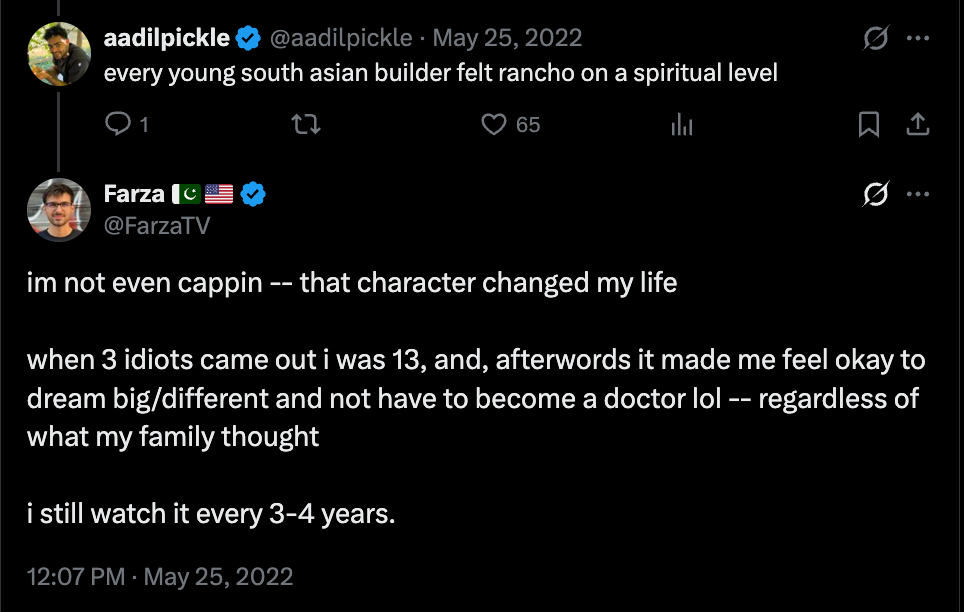
Seeing Farza move through the startup world with so much nonchalance reminds me of my favourite movie: 3 Idiots. It follows Rancho, an engineering student with a genuine passion for learning, as he attends the best technical college in India. The movie contrasts his curiosity with his peers who only focus on rote memorization and getting good test scores, driven by fear of not getting a good job. In the end, Rancho's a world- famous inventor who spends most of his time teaching children how to build machines.
Throughout the movie, his motto is “Chase excellence, not money. If you love what you do, the money will follow.” Whenever I think of 3 Idiots, I can’t help but hear that line in Farza’s voice.
Lonely but not alone
In one of his weekly updates, Farza mentioned, “70% of the time, I do feel like I'm the GOAT, and I have a lot of confidence. But then 30%, I'm like dude… I'm shit! I have no talent! I've been at my house for the last year and I still have not been able to do anything worthwhile.”
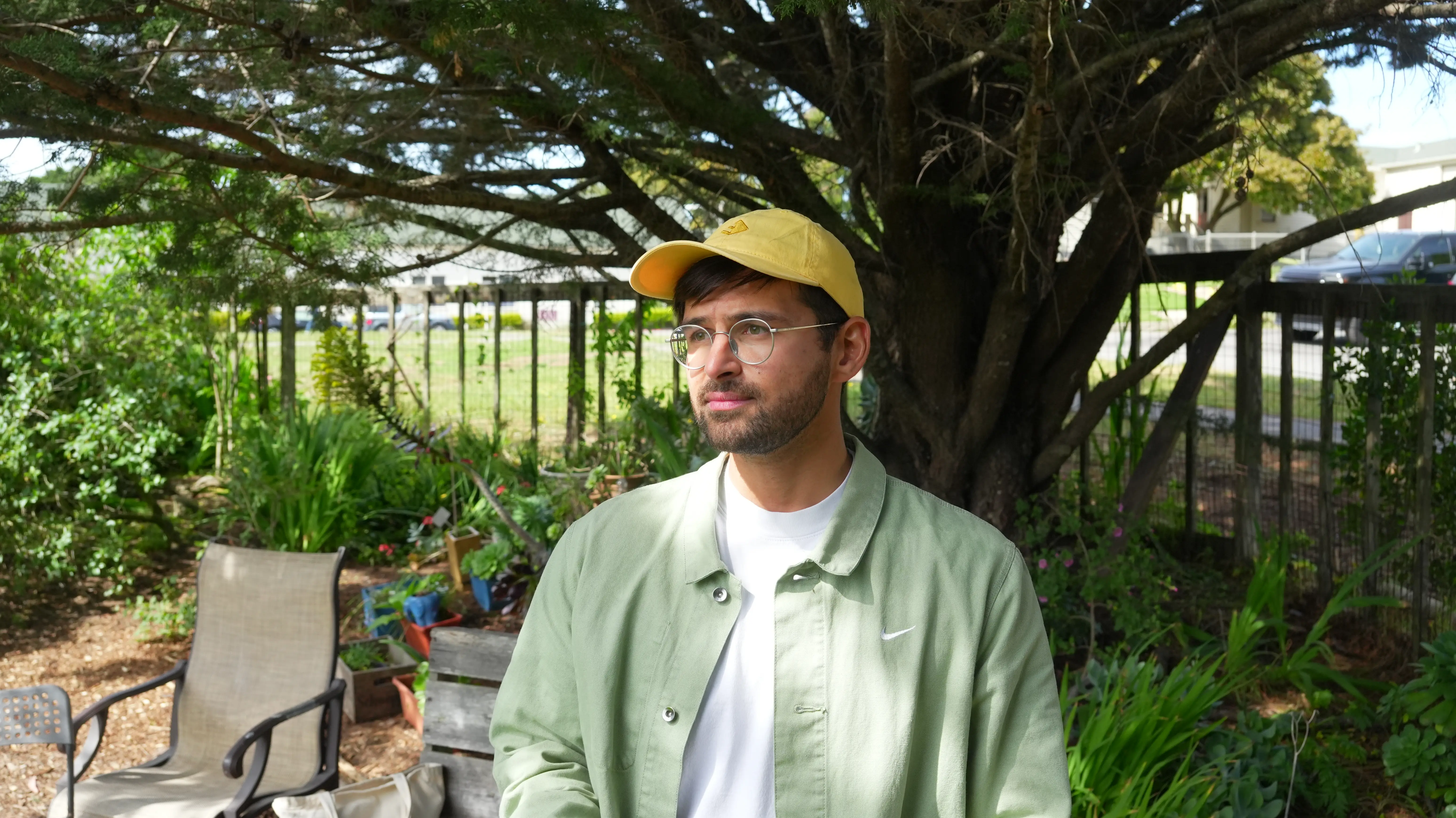
I fully believe Farza can do anything he sets his mind to, but he can’t do it alone. When we chat about the old days, he’ll look off into the distance like he has PTSD. He’ll mention waking up with panic attacks most mornings and sleeping eight hours yet never feeling rested while running Buildspace. “It’s just a lot. However hard anyone thinks it is being a solo founder, it’s harder.”
At Buildspace, people hung out 12 hours a day for 12 weeks. A friend mentioned that because of those three months, he found people he knows will be his groomsmen someday. Everyone who passed through was a misfit, but we all fit with each other. The only notable exclusion was the guy who put it all together.
I once asked Farza if he was friends with the Buildspace team.
“I mean, I love everyone on the team, but you kinda gotta maintain some separation when you’re in charge. Like sometimes I gotta fire people, y'know?"
Farza mentioned how it was tough for him to make friends growing up. The same was true for me until I joined Buildspace, where I felt belonging unlike ever before. Buildspace taught me how to love myself, and every time I felt like absolute shit, I had a friend to pick me up. Sometimes I wish Farza got to experience that too. “No one ever checked up on me, or asked how I was doing. Except maybe one or two guys”, he told me while staring off into the distance.
Throughout the five years of Zipschool and Buildspace, Farza had no co-founder. Shutting down Buildspace was a unilateral decision, like a bomb blowing up our walled garden of hackers and painters. He didn’t consult anyone on the team beforehand. There wasn’t anyone he could talk to as an equal. He wrote a few letters explaining the decision, but to anyone watching closely, it was obvious he was burnt out and needed to reset.
I was devastated when I found out but wished him the best, then asked how he was feeling. He responded, “Honestly bro, I can’t wait ‘til my flight out.”
I didn’t know if he’d ever come back. He mentioned he might give up startups for good, and maybe start making a movie or an anime. Maybe he’d start a goat farm in Oklahoma like he mentioned on his Hinge profile. He joked about getting an arranged marriage in Pakistan.
Five months later, I saw a picture of the San Francisco airport on his Instagram.
When I asked him why he came back so soon, he said “San Francisco is the only place that feels real to me. It’s been a nice break, but it's time to get back to it.”
“Back to what?” I asked.
“Same old. Building the world’s greatest company.”
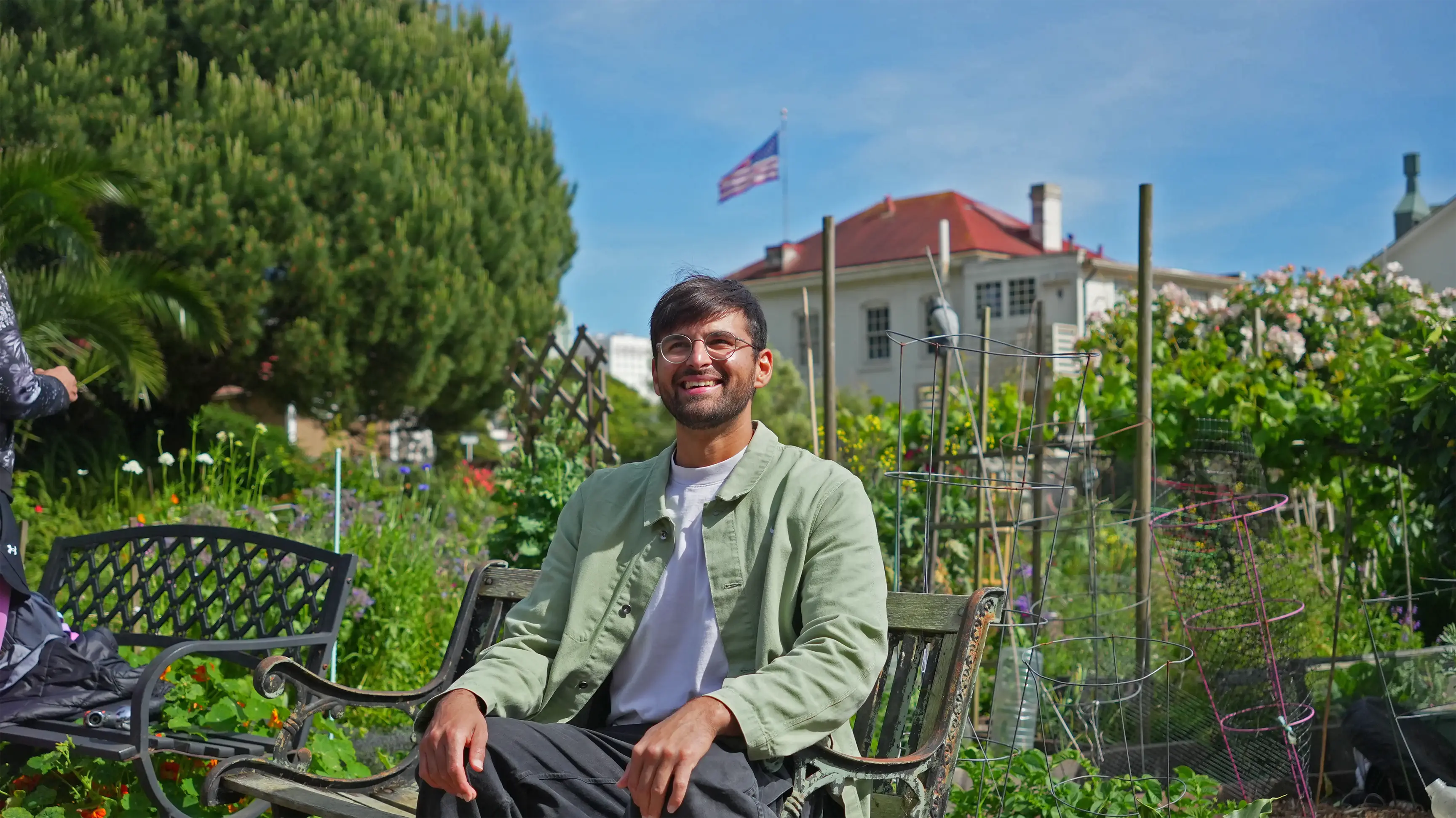
In the same weekly update, Farza elaborated on his loneliness as a solo founder:
“When you’re working with someone and things go well, you usually have someone to high five or pat you on the back. But when you're solo, you have to dig deep for personal validation, which is hard for anyone. Loneliness is the one emotion I’m really prone to.”
I always wondered what changed on the trip for Farza to come back so quickly. For the past year, he’s mostly been creating his ideas alone just like before. What did he see in the mountains of Czechia and villages of Pakistan that made him want to stare at a laptop for 12 hours a day again?
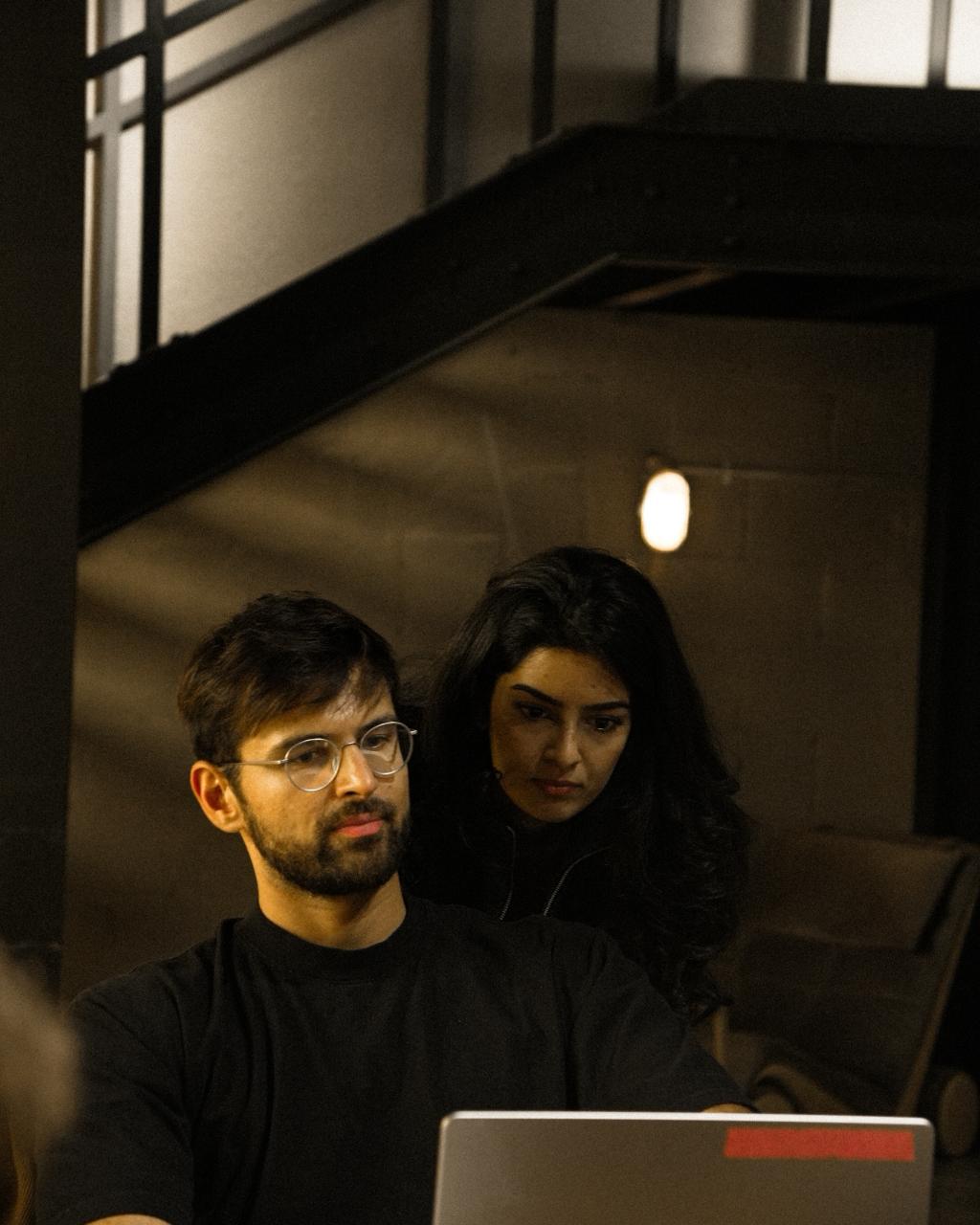
It became clear when I learned that over those four months, he met a girl.
Some of the Buildspace group chats were still active even after the company shut down. Someone sent a message looking for an app developer in Dubai. Farza connected her to someone she didn’t end up working with, but they kept chatting and eventually met up while Farza was travelling.
I got this funny warm feeling inside when I learned they got together. Buildspace was responsible for thousands of relationships, partnerships and friendships over the years. In the end, I’m glad the Laws of Karma ended up materializing belonging for the guy who deserves it the most.
“I really couldn’t do it without her. In fact, I don’t even know if I want to try really starting something again until she’s beside me here.”
It’s cool to care
In our third week at Buildspace, Farza gave us a warning:
“In San Francisco, you got all these dark players whispering in your ear telling you to raise money or make this company or whatever. I’d be really careful when anyone here seems like they want something from you.”
Silicon Valley sometimes feels like everyone wants to own you. Instead of asking “how are you?”, people ask “what are you building?”. Deep down, everyone’s sizing each other up to see who can be useful to them, either as a potential hire, investor, or introduction to someone relevant. When I first visited, it was exhausting trying to figure out who was a friend and who was just disguised as one. I never thought I’d move here because it felt like a city of sharks.
What draws people to Farza is that he’s a kid trapped in an adult body with no filter. He’ll say what’s on his mind, even to people who could potentially give him millions of dollars. He reschedules calls with AI company CEOs last minute if he doesn’t feel like it, but he’s absolutely beaming when talking to kids from India[3] about how to make their cricket betting app scale to a million users.
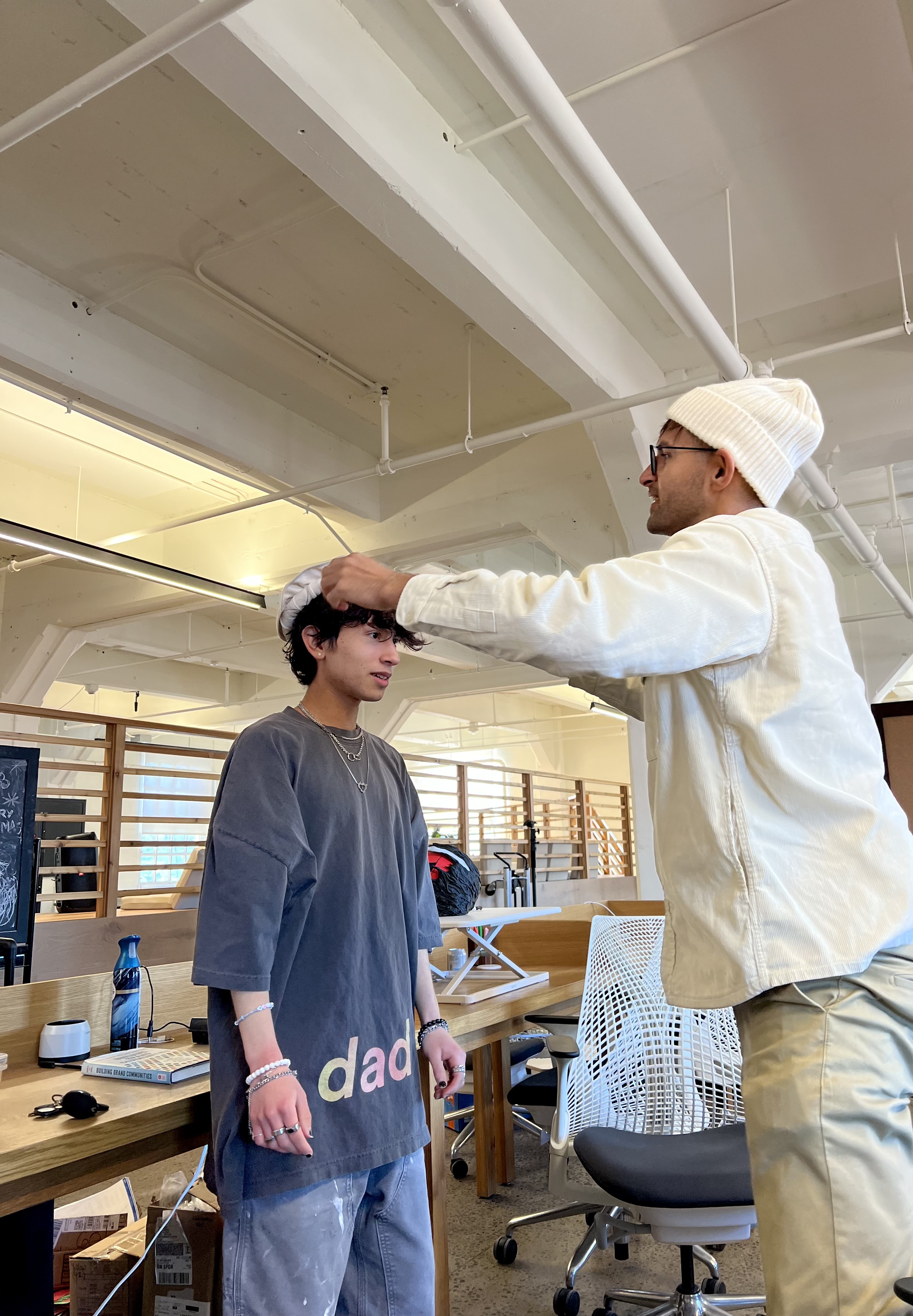
He loves what he loves even if it’s considered childish or cringe, and imbues it into all his work. Buildspace campus was heavily inspired by Japan and anime art. He’d be unbothered if Elon walked into the room but would break down crying if it was Porter Robinson. He taught himself to meditate by imagining himself as Naruto in sage mode and has the Naruto hidden leaf tattooed on his wrist.
In a city full of stuffy adults who can’t talk about anything other than agent frameworks and what’s going viral on Twitter, he makes me feel like it’s cool to be who I am and like what I like. Even if it isn’t raising a billion dollars to build B2B SaaS agents for cryptocurrency trading.
During a Buildspace lecture, he talked about how important it is for us to stick together even after the three-month program was over.
“When I moved to SF, one thing I hated was how much people would judge you for what you were working on. They’d be your friends one day, then if you stopped working on your idea or your company was struggling, suddenly you weren’t cool enough to hang out with. Like, that’s so ridiculous. I don’t want that to happen to any of you. Subby, if Aadil stopped making videos, would you just stop being his friend? No, right?”
Subby is my roommate and still my best friend to this day. He’s seen me through bouts of unemployment, spontaneous travel to find myself, and lying on the couch for days on end while only getting up to eat and sleep. I’m no stranger to judgement from people I thought were my friends and people at SF parties, but I’ve never felt an ounce of that from anyone at Buildspace. Farza made sure of it.
He’s nearly immune to pressure from other people, partially because he puts so much pressure on himself. He’s so himself that all the social climbers get confused when talking to him. He’ll often start a conversation, look off into the distance halfway through, point out something happening on the street, then return to the main conversation like nothing even happened. I can’t tell if he has intense ADHD or is just trying to throw people off. But it makes it so that he’s almost never playing anyone’s game but his own.
He once took a job as the Chief Marketing Officer at a large AI company for two days before quitting with no follow-up plan.
“I didn’t want to be an appendage. I don’t think they actually cared about media nearly as much as they did making coding models, so I’d rather do the main thing, but even then, I don’t really care about coding models.”
After no further prompting, he added:
“[Company] probably doesn’t care that much about helping people in Pakistan build a business or upskill themselves. Like they probably think it’s nice, but that’s not their core aim.”
He can’t get jazzed about anything he can’t really see the impact of or doesn’t have some sort of improvement in the world he wants to see. He’s cursed with only doing things he cares about. He says he could just make a billion dollars building an AI SaaS if he wanted to, but I don’t think he can, because he would never want to. Our friend Samraaj remarked, “Yeah, you can tell that guy has to impact people’s lives. That’s why he couldn’t get a job most places.”
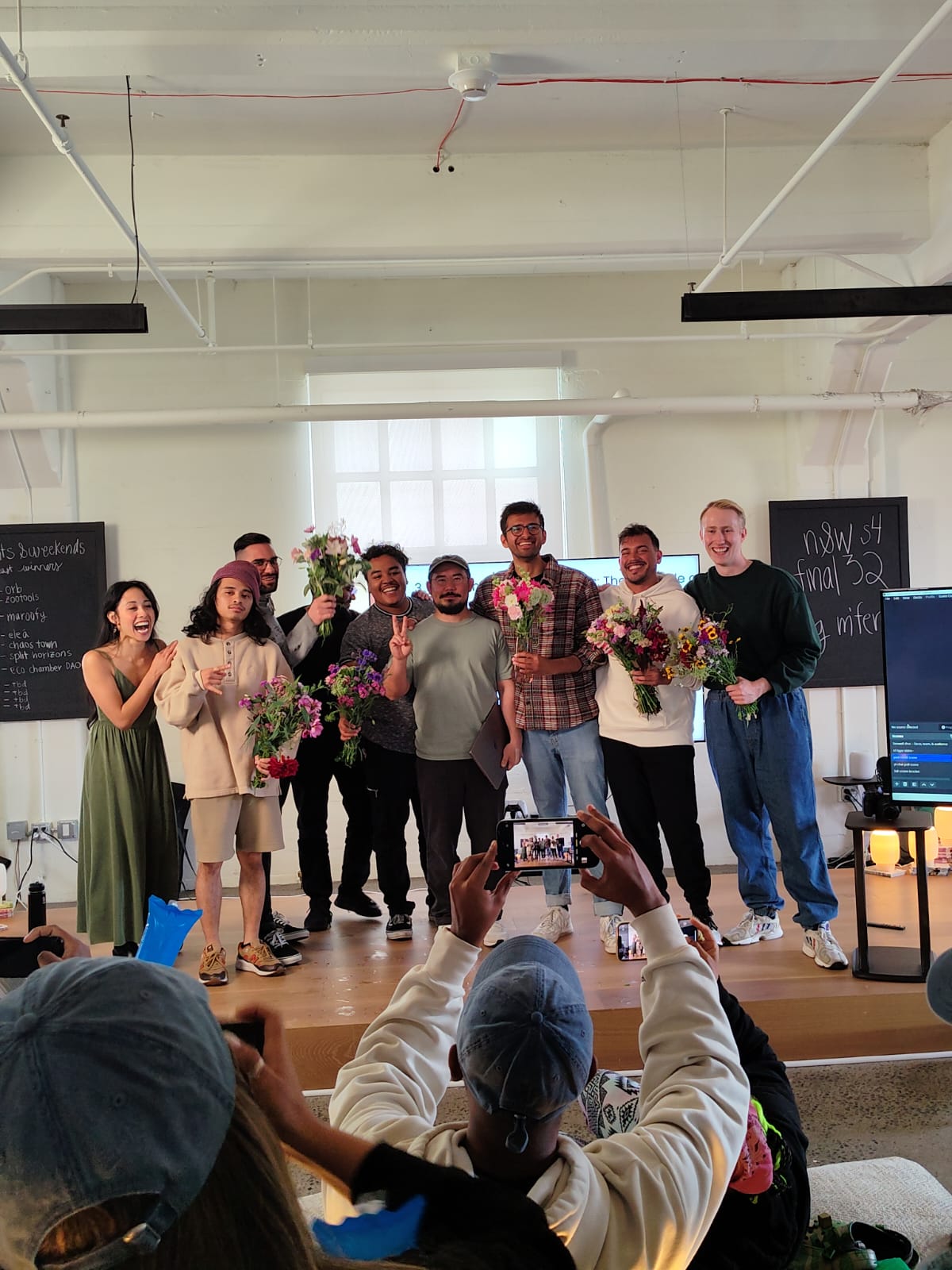
Somehow everything has to be personal. Every single idea seems to tie back to his mom or “some kid in Pakistan” which is where his family is from.
At Buildspace, he coined an acronym: GTFOL, or Get the f*ck off localhost, which means to get your idea to a state where other people can use it as fast as possible rather than just on your own computer. He can’t just sit with an idea on the shelf, he has to put it out there and see how people interact with it and how it helps make their lives better. The bureaucracy of a big company would strangle him.
In one of his final lectures, Farza talked to us about pivoting.
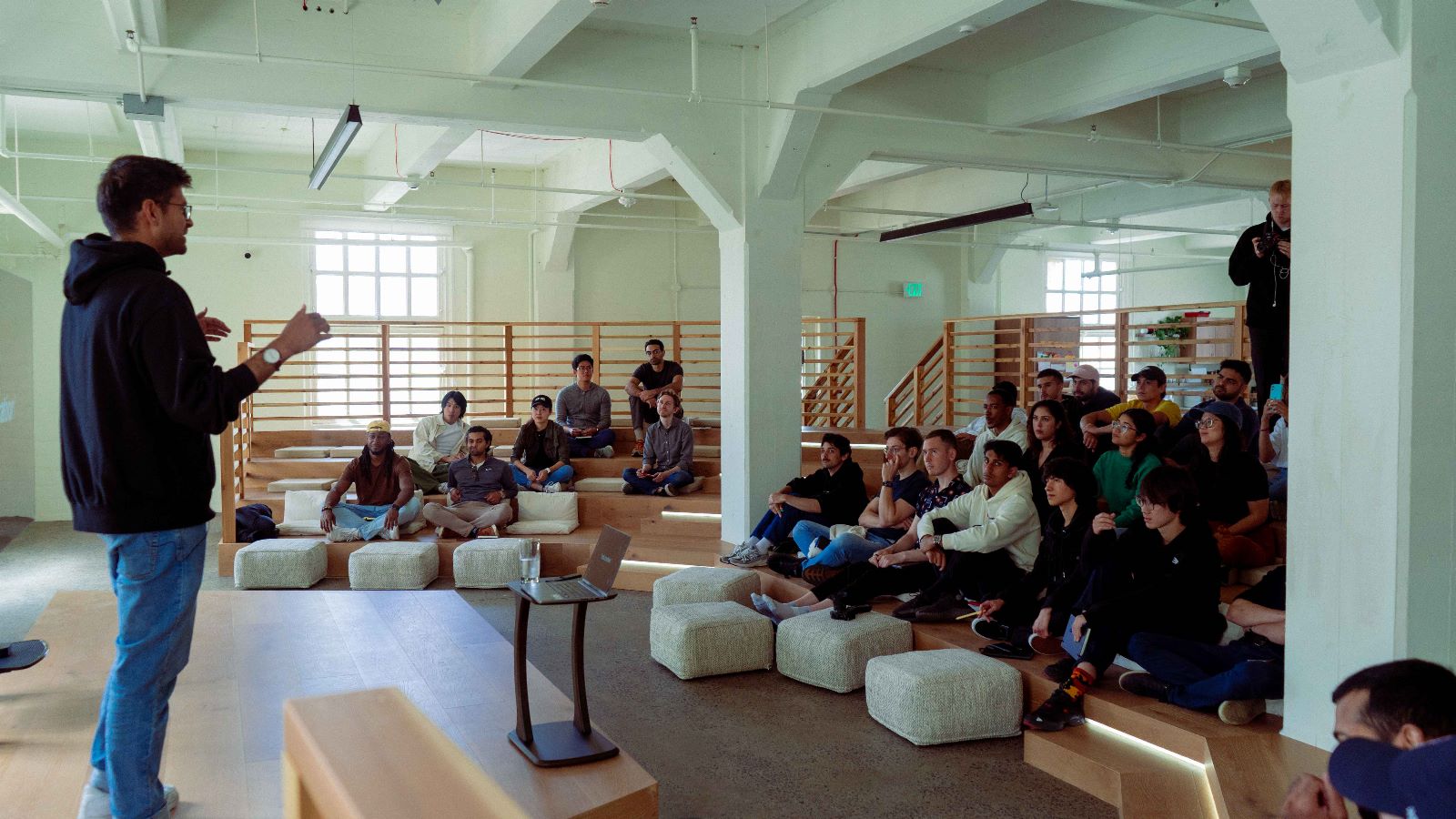
“Whatever you do, try not to hard pivot. The more time you have working on your idea, the more you can see into the future on how it’ll play out. Calibrate, bing-bong, whatever you have to do, but try to avoid hard pivoting.”
“There were a million times I wanted to shut down Buildspace. Even at ZipSchool, I tried a million little pivots before turning it into Buildspace, but I still stayed in the education space so all those learnings stacked up. Whenever I was upset, my mom would ask me over and over if I was ready to shut it all down and come home.”
“And I’d tell her, ‘No mama, I’m not done yet.’”
He’s been making stuff for 15 years, and has inspired countless others to do the same. When I started my journey making stuff online in my parents house six years ago, I got to read Farza’s progress updates on Zipschool every week. Since then, I’ve founded and exited a startup, was an early employee at two startups on a Forbes list, started a few small businesses, and now I’m trying to make it as a writer with the Alexandria blog, doing it scared but still doing it.
Without him, I would’ve given up 100 times by now.
Watching him sit at his desk again, trying to hire a team, scribbling ideas in his notebook and lighting up on user calls after 15 years of anxiety, loneliness and self-doubt, I can’t help but smile.
I can’t help but think:
“If this guy can give his ideas a shot, why can’t I?”

You can find Farza here. DM him and tell him I sent you.
Notes
- [1]
It was as much for college students coding apps as it was for grandparents who wanted to sell their backyard tomatoes online. Literally anyone and any idea.
- [2]
- [3]
He told the same kid, who got into YC Startup School and asked for advice on how to make the most of it, "It's just a bunch of talks. You're probably better off staying at home and working on your cricket thing." Then later added, "It's good for making friends. Find some people to make stuff with. Find someone in the corner not talking to anyone who's cool, and who's gonna stick around. Not some dude who looks like a winner already with a million dollars that everyone wants to talk to."
Subscribe to Alexandria
Get new posts delivered to your inbox.